
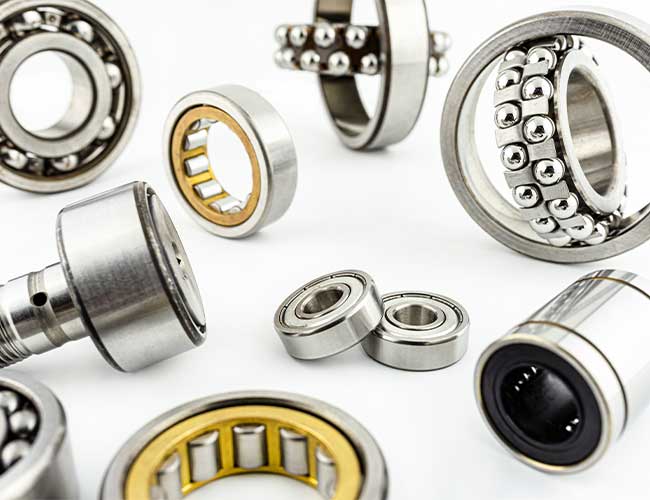
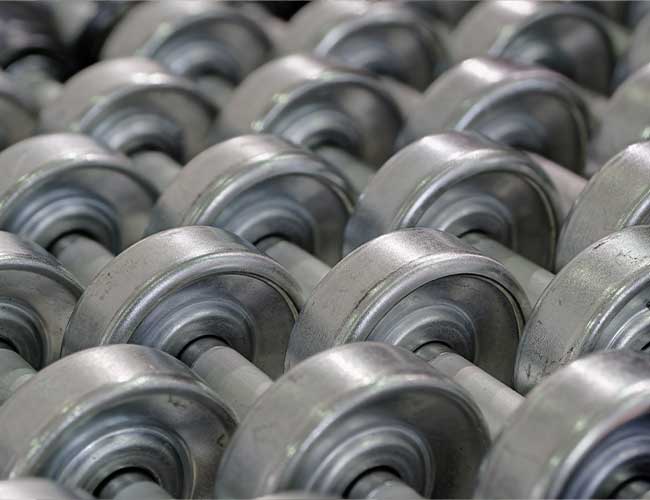
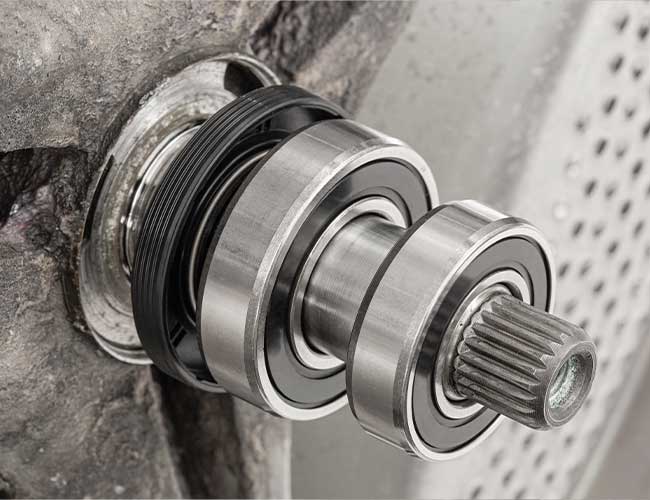
The global bearing industry, often considered the “heart” of mechanical systems, continues to play a pivotal role in modern manufacturing, transportation, and energy sectors. As 2025 unfolds, the industry is experiencing both opportunities and challenges, driven by emerging technologies, evolving market demands, and changing global industrial dynamics.
Market Overview
Bearings, essential for reducing friction and supporting rotational motion in machinery, have long been considered a mature industrial segment. However, recent years have demonstrated significant growth potential, particularly due to the rapid development of electric vehicles (EVs), renewable energy systems, and automation technologies. The global bearing market was valued at approximately $58 billion in 2024 and is projected to reach over $140 billion by 2034, reflecting a compound annual growth rate (CAGR) of around 9%.
The Asia-Pacific region dominates the market, with China, India, and Japan leading production and consumption. China alone accounts for over 40% of global demand, driven by large-scale industrial manufacturing, automotive production, and infrastructure projects. Europe and North America, although experiencing slower growth, focus on high-precision and specialty bearings, often associated with aerospace, defense, and high-end machinery.
Key Drivers of Industry Growth
Electric Vehicles and Transportation
The shift towards electrification in the automotive industry has significantly altered bearing requirements. Unlike conventional internal combustion engine vehicles, EVs demand bearings capable of high-speed rotation, low friction, and high thermal stability. These specialized bearings not only improve vehicle efficiency but also enhance battery life and overall system performance.
Moreover, high-speed trains, electric buses, and autonomous vehicles are increasingly relying on advanced bearing solutions, creating a growing market for precision and hybrid bearings.
Renewable Energy
Wind turbines, solar trackers, and other renewable energy equipment require bearings that can withstand heavy loads, variable speeds, and harsh environmental conditions. The expansion of wind energy installations worldwide has directly increased demand for large-diameter spherical and roller bearings. For example, modern offshore wind turbines utilize bearings that can handle multi-directional forces and ensure long-term reliability under extreme conditions.
Smart Manufacturing and Industry 4.0
The integration of digital technologies into manufacturing processes, commonly referred to as Industry 4.0, has opened new opportunities for smart bearings. These bearings incorporate sensors to monitor temperature, vibration, and load in real time, enabling predictive maintenance and reducing unplanned downtime. The adoption of intelligent bearings is expected to increase significantly, particularly in robotics, automated assembly lines, and precision machinery sectors.
Technological Advancements
The bearing industry is witnessing rapid innovation in materials, design, and lubrication technologies. Hybrid ceramic bearings, combining steel rings with ceramic balls, offer higher speed capabilities, reduced weight, and longer service life compared to traditional steel bearings. Advanced coatings, such as anti-corrosion and low-friction surface treatments, further enhance bearing durability in demanding environments.
Research into new materials like graphene-reinforced composites is ongoing, with early tests showing improved wear resistance and lifespan. Additionally, advanced lubrication solutions, including long-life greases and self-lubricating polymers, are helping reduce maintenance costs and improve operational efficiency.
Industry Challenges
Despite robust growth, the bearing industry faces several challenges. Raw material cost fluctuations, particularly in steel and specialty alloys, can significantly impact manufacturing costs. Geopolitical uncertainties and trade restrictions have also led to supply chain complexities, prompting manufacturers to consider regionalized production strategies.
Competition in low-end bearing markets remains fierce, with price wars and counterfeit products threatening profit margins and brand reputation. At the same time, high-end and specialized bearing production requires substantial R&D investment and advanced manufacturing capabilities, which can be a barrier for smaller players.
Leading Companies and Market Players
Global bearing leaders, such as SKF, Timken, NSK, and Schaeffler, continue to dominate the market by leveraging advanced technology, global supply chains, and diversified product portfolios. These companies invest heavily in smart bearing technologies, predictive maintenance services, and sustainable manufacturing practices.
Emerging manufacturers from China, India, and Eastern Europe are also gaining market share, particularly in standard and mid-range products. With increasing focus on quality control, precision manufacturing, and after-sales services, these new entrants are gradually enhancing their competitiveness in the global market.
Future Outlook
Looking ahead, the bearing industry is expected to continue its transformation along three main trends:
- Quality-Driven Growth: As markets mature, growth will be increasingly dependent on high-performance, durable, and precision-engineered bearings rather than volume alone.
- Technological Innovation: Smart bearings, hybrid materials, and advanced lubrication systems will drive new applications in electric vehicles, robotics, wind energy, and aerospace.
- Sustainability and Service Orientation: Environmental regulations and customer demand for lifecycle management will push manufacturers to adopt green manufacturing practices and provide comprehensive service solutions.
The convergence of these trends indicates a future in which the bearing industry is not only a mechanical necessity but also a strategic enabler of innovation, efficiency, and sustainability across industries.
Conclusion
The global bearing industry in 2025 stands at a critical juncture. With robust demand from emerging applications and growing adoption of smart technologies, the sector is poised for continued growth. However, success will depend on companies’ ability to innovate, manage supply chains efficiently, and meet evolving customer needs. Those who can combine precision engineering with intelligent solutions and sustainable practices are likely to lead the industry in the coming decade.